
AWS OpenTelemetry for centralised observability in a multi-account architecture
As a cloud consulting company, we at DNX work directly with many Fintechs and SaaS companies using AWS. Many of these companies need to meet high levels of compliance providing their software in a single-tenant architecture, where each of their customers has their own AWS account to guarantee full isolation between customers. This raises a […]
Understanding CPU credit balances on AWS services: EC2 and RDS
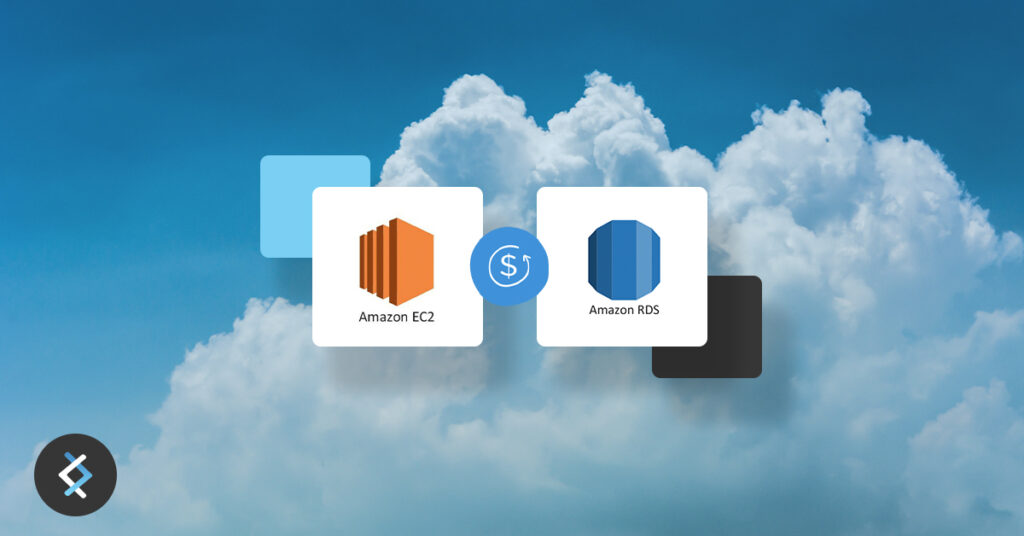
Since Amazon released the “t2” instance class for EC2, a problem I noticed that happens more frequently than it should is lack of an understanding of how the credit system works. One of the most common issues is when an EC2 instance runs out of CPU credits and becomes throttled, causing an impact on users. […]
DNX Tech Update: June-July
DNX Tech Update: June-July As part of our routine, we invest heavily in improving our open source stack and making sure knowledge is captured in the form of code. DNX One Last month our main focuses were on compliance and data. Compliance terraform-aws-security-baseline — This module setup alerts for common controls defined on the CIS AWS Foundations Benchmark. […]
DNX Tech Update: April-May
At DNX we are committed to democratizing cloud technologies. Part of our plan is to develop and release to the public a large part of what we use with our clients. After a little more than 1 year, this strategy translated into: Around 37 actively developed terraform modules 14 Docker containers And much more. And here’s our update […]
Reducing AWS costs by turning off development environments at night— the easy way (without Lambda)

Why keep your non-production environments up when nobody is up? An environment in AWS usually is a group of these resources: Load balancers EC2 instances (hopefully part of an Autoscaling Group) RDS instances EBS volumes S3 buckets Caches, ElasticSearch, etc. In this tutorial, we will show how to turn off the most costly members of […]
Exporting Cloudwatch Logs automatically to S3 with a Lambda function
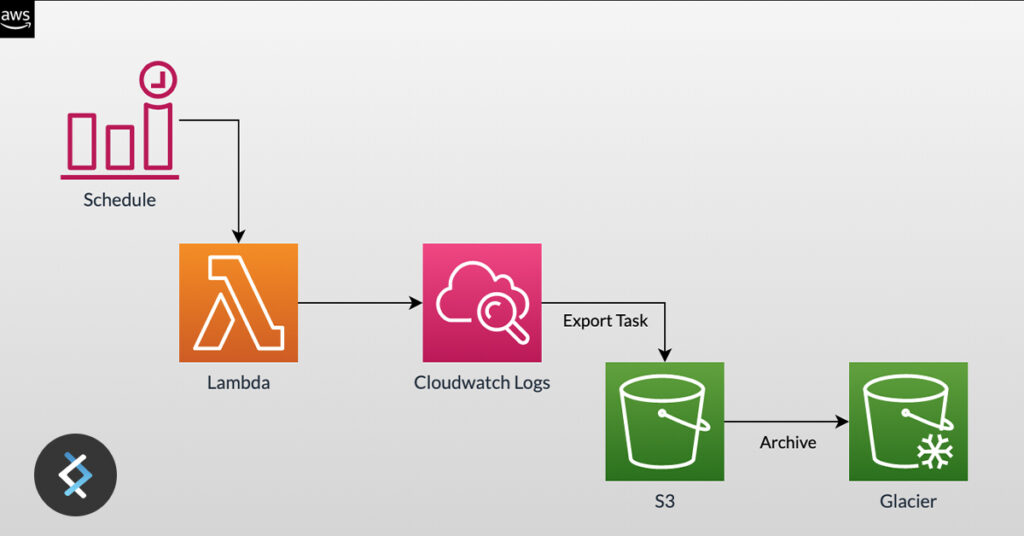
The missing feature of Cloudwatch Logs. Your Cloudwatch Log Groups could look something like this: Log groups with Retention As you might guess, after the retention time, logs are deleted. And that’s a good approach for keeping the costs under control, but sometimes regulation mandates that logs are stored longer than this period. Luckly, […]